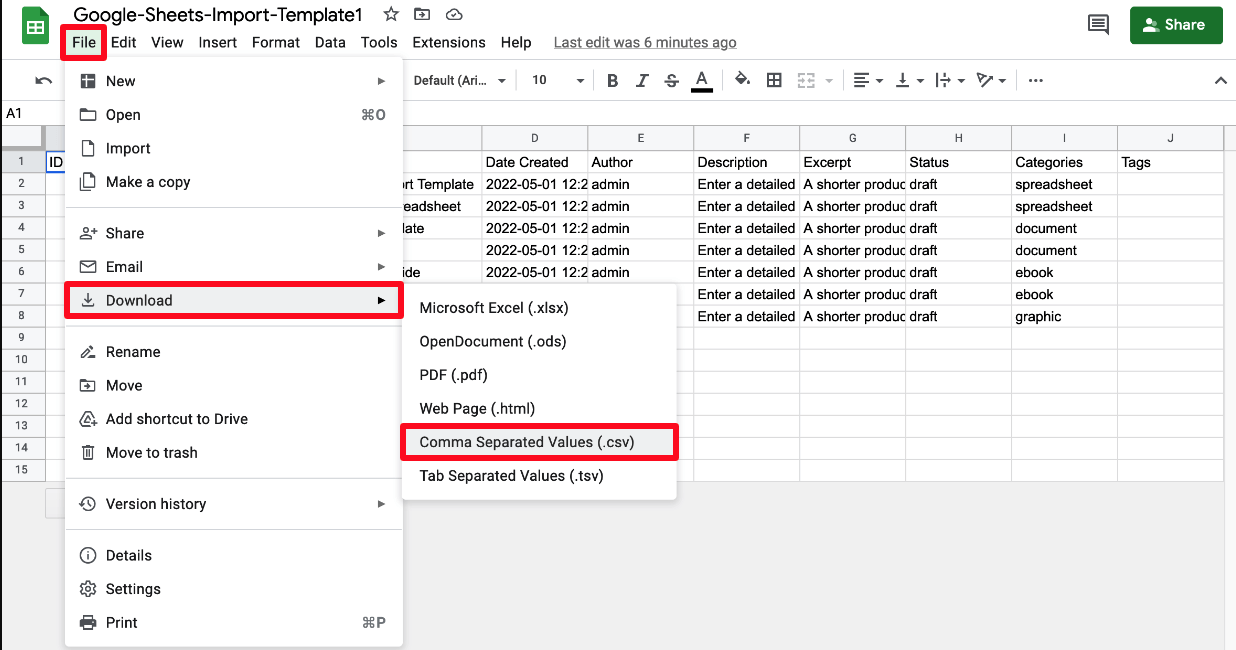
Even in a world of APIs, JSON, and Parquet, CSV continues to dominate as the preferred format for exporting user data from major tech platforms. Google, Meta, Twitter, and Amazon all let users download personal data in CSV. Why?
The answer lies in universality. CSV works across operating systems, software, and programming languages. Users can open their data in Excel, Numbers, Google Sheets, or even a simple text editor — no technical knowledge required. It’s simple, portable, and consistent, making it perfect for compliance with regulations like GDPR, which require easy access to personal data.
CSV’s simplicity also builds trust. Users know exactly what to expect: rows, columns, and plain text. Unlike proprietary formats or nested JSON files, there’s no ambiguity. You can read, sort, and even script against it with minimal effort.
But CSV isn’t perfect. It doesn’t support complex nested structures, and very large files can be unwieldy. Despite that, CSV’s human readability and ease of use make it ideal for exporting reports, transaction logs, or survey results.
At CSV Loader, we consider CSV the “people’s format.” It bridges technical and non-technical users, ensuring data portability and accessibility. It’s a reminder that sometimes the simplest solution is the most effective, especially when users need to access and understand their own information.
Even in 2025, when advanced formats exist, CSV remains the universal fallback for exporting user data, proving that a format from the 1970s can still serve modern needs.
The answer lies in universality. CSV works across operating systems, software, and programming languages. Users can open their data in Excel, Numbers, Google Sheets, or even a simple text editor — no technical knowledge required. It’s simple, portable, and consistent, making it perfect for compliance with regulations like GDPR, which require easy access to personal data.
CSV’s simplicity also builds trust. Users know exactly what to expect: rows, columns, and plain text. Unlike proprietary formats or nested JSON files, there’s no ambiguity. You can read, sort, and even script against it with minimal effort.
But CSV isn’t perfect. It doesn’t support complex nested structures, and very large files can be unwieldy. Despite that, CSV’s human readability and ease of use make it ideal for exporting reports, transaction logs, or survey results.
At CSV Loader, we consider CSV the “people’s format.” It bridges technical and non-technical users, ensuring data portability and accessibility. It’s a reminder that sometimes the simplest solution is the most effective, especially when users need to access and understand their own information.
Even in 2025, when advanced formats exist, CSV remains the universal fallback for exporting user data, proving that a format from the 1970s can still serve modern needs.